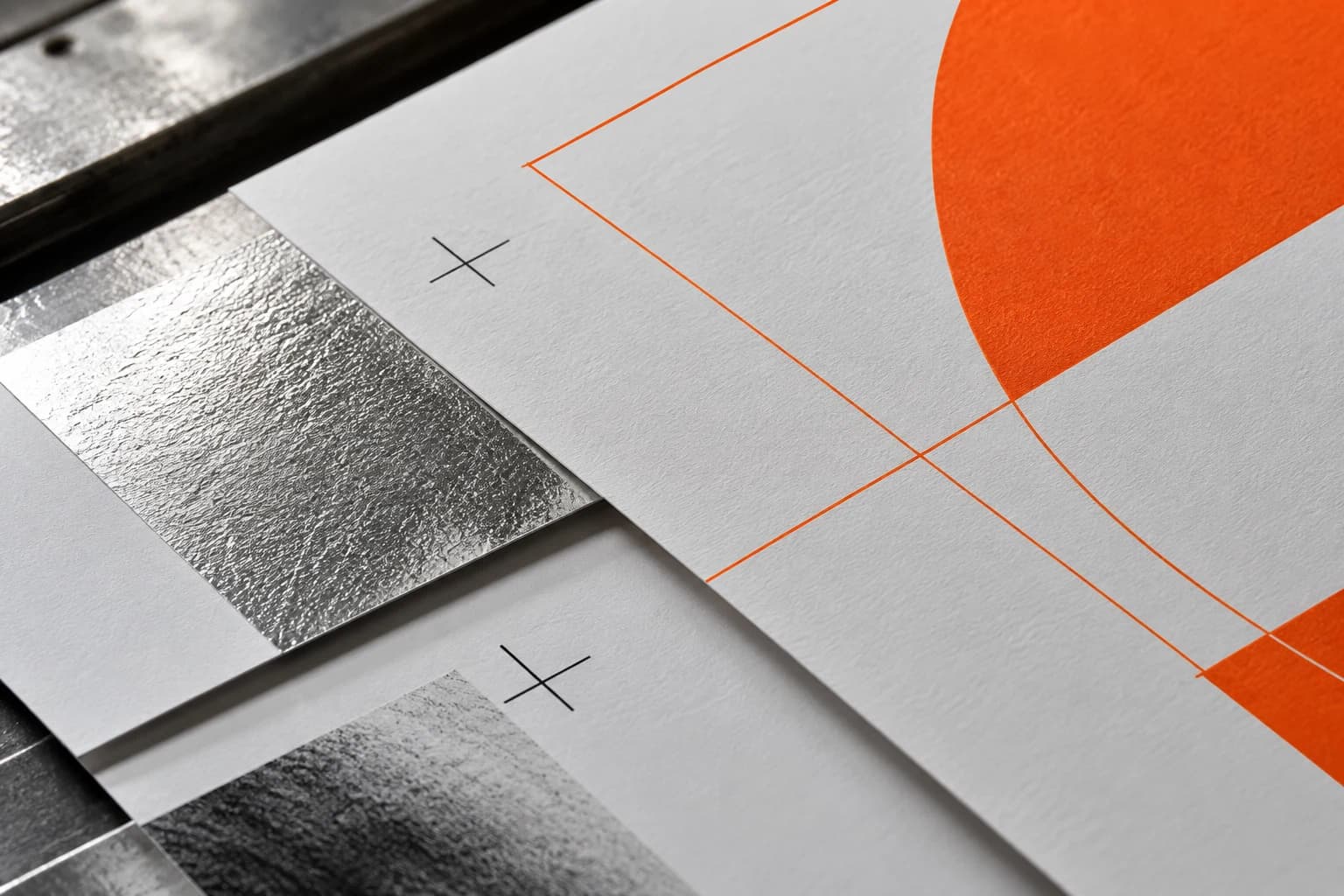
Grids are useful because they make decisions legible. They establish alignment, proportion and a shared frame of reference for the work.
An expressive interface can bend that structure. Scale, overlap and movement create emphasis when the underlying relationships remain clear. Breaking a rule is more useful when the rule was doing something first.
The structure must survive smaller screens. A wide composition can become a sequence rather than a miniature version of itself. Content order and hierarchy should remain understandable.
Treat the grid as a conversation between content and space. Keep the alignment that helps, and change the arrangement that gets in the way.